.png)


What Is the Best Waterproofing for Walls to Protect Your Home from Moisture and Mould?
meta title: What Is the Best Waterproofing for Walls to Protect Your Home from Moisture and Mould?
meta description: Discover the best waterproofing for walls to prevent moisture, leaks, and mould. Expert guide for Sydney homeowners on wall waterproofing systems and solutions.
url slug: best-waterproofing-for-walls-sydney
Water damage and mould growth are common problems faced by homeowners in Sydney, especially due to the city's variable climate. The best waterproofing for walls is essential to protect your home from moisture penetration, structural damage, and health risks caused by mould. Understanding the right wall waterproofing systems can save you costly repairs and maintain a healthy living environment.
This guide explains why walls need waterproofing, explores different types of waterproof membranes for walls, and helps you choose the right solution for internal and external walls. Whether you are a homeowner or a property manager, this information will help you make informed decisions about protecting your property.
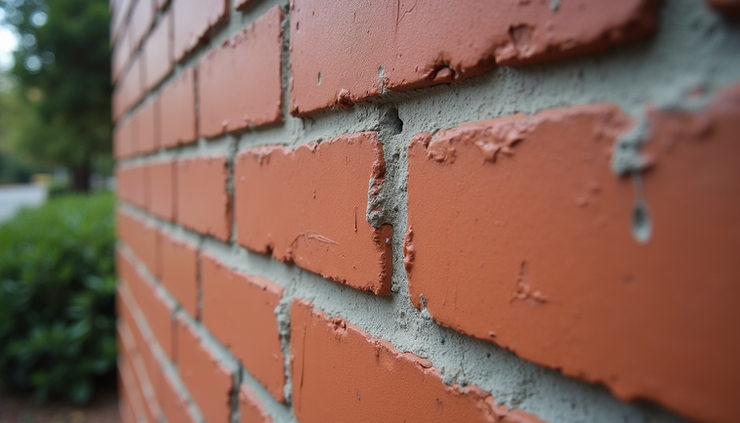
Waterproofed external brick wall in Sydney showing protective coating
Why Walls Need Waterproofing
Walls are the first line of defence against environmental elements. Without proper waterproofing, walls absorb moisture from rain, groundwater, or humidity. This moisture can cause several issues:
Structural damage: Water weakens bricks, concrete, and mortar, leading to cracks and crumbling.
Mould and mildew: Damp walls create ideal conditions for mould growth, which affects indoor air quality and health.
Peeling paint and stains: Moisture causes paint to bubble and peel, damaging aesthetics.
Energy inefficiency: Wet walls reduce insulation effectiveness, increasing heating and cooling costs.
Sydney’s coastal and humid climate makes wall waterproofing especially important. Proper waterproofing walls prevents leaks and moisture ingress, protecting your home’s structure and your family’s health.
Types of Wall Waterproofing Systems
Choosing the best waterproofing for walls depends on the wall type, location, and exposure to moisture. Here are the most common wall waterproofing systems used by professionals:
Cementitious Waterproofing
Cementitious waterproofing is a popular choice for its ease of application and durability. It involves applying a cement-based coating mixed with waterproofing additives directly onto the wall surface.
Advantages:
- Easy to apply on concrete and masonry walls
- Cost-effective and quick drying
- Resistant to water pressure and weathering
Limitations:
- Not flexible, so it may crack with wall movement
- Best suited for internal walls or areas with low movement
Liquid Membranes
Liquid membranes are applied as a liquid coating that cures to form a seamless, flexible waterproof layer.
Advantages:
- Flexible and can bridge small cracks
- Suitable for irregular surfaces
- Easy to apply on both internal and external walls
Limitations:
- Requires skilled application for uniform coverage
- Some products may need multiple coats
Bituminous Coatings
Bituminous coatings are asphalt-based products that provide a thick, waterproof barrier.
Advantages:
- Excellent water resistance and durability
- Ideal for below-ground walls like basements
- Resistant to soil chemicals and moisture
Limitations:
- Strong odour during application
- Not UV stable, so usually covered or used below ground
Polyurethane Membranes
Polyurethane membranes form a tough, elastic waterproof layer that adheres well to various surfaces.
Advantages:
- Highly flexible and durable
- Resistant to UV rays and weathering
- Suitable for both internal and external walls
Limitations:
- Higher cost compared to other systems
- Requires professional application
Best Waterproofing for Internal vs External Walls
Internal and external walls face different challenges, so the best waterproofing for walls varies accordingly.
Internal walls:
Internal walls often suffer from condensation and minor leaks. Cementitious waterproofing and liquid membranes are effective here because they are easy to apply and safe for indoor use. These systems prevent moisture from penetrating walls and reduce mould growth.
External walls:
External walls face rain, wind, and temperature changes. Polyurethane membranes and bituminous coatings provide strong protection against these elements. Polyurethane’s flexibility helps accommodate wall movement caused by temperature changes, while bituminous coatings are excellent for below-ground external walls.
Selecting the right system depends on the wall material, exposure level, and local climate conditions.
Common Problems Caused by Poor Waterproofing
Ignoring proper waterproofing walls can lead to serious issues:
Cracked and crumbling walls: Water weakens the wall structure, causing cracks and decay.
Mould and mildew growth: Damp walls encourage mould, which can cause respiratory problems.
Peeling paint and stains: Moisture causes paint to blister and walls to stain, reducing property value.
Increased energy bills: Wet walls lose insulation efficiency, making heating and cooling less effective.
Health risks: Mould spores can trigger allergies and asthma, especially in children and elderly.
These problems highlight why investing in the best waterproofing for walls is critical for long-term protection.
How to Choose the Right Waterproofing System
Choosing the right wall waterproofing system involves considering several factors:
Wall type and material: Concrete, brick, or drywall require different waterproofing approaches.
Location: Internal walls need different protection than external or below-ground walls.
Moisture source: Identify if moisture comes from rain, groundwater, or condensation.
Durability needs: Consider how long the waterproofing should last and exposure conditions.
Budget: Balance cost with performance and longevity.
Consulting with a professional waterproofing company can help assess your property and recommend the best waterproof membrane for walls.
Professional Wall Waterproofing vs DIY
While DIY waterproofing products are available, professional wall waterproofing offers clear advantages:
Expert assessment: Professionals identify hidden moisture sources and structural issues.
Quality materials: Access to commercial-grade waterproof membranes and coatings.
Proper application: Ensures even coverage and correct thickness for effective protection.
Warranty and support: Professional services often include guarantees for peace of mind.
DIY attempts may save money upfront but risk incomplete protection and costly repairs later. For lasting results, professional waterproofing is the best choice.
Get Expert Waterproofing Services in Sydney
Protect your home with expert waterproofing services from Real Seal Solutions. Our team specialises in the best waterproofing for walls, using proven wall waterproofing systems tailored to Sydney’s climate. Whether you need waterproofing for internal walls, external walls, or basements, we provide reliable solutions that prevent moisture, leaks, and mould.
Explore our Waterproofing Services Sydney, Bathroom Waterproofing Sydney, and Basement Waterproofing Sydney to find the right service for your needs. Contact Real Seal Solutions today for a free consultation and safeguard your property against water damage.
Comments